
Moving Tips - Power Down & Break Apart: Preparing Furniture and Electronics for the Move
Improperly prepared furniture can lead to scuffs, scratches, or even structural damage, while tangled wires and unorganized hardware can turn reassembly into a major headache. This blog post provides the essential steps to prepare your bulky and sensitive items for safe transit.
Why Preparation Saves Time and Money
- Safety: Disassembling large items like beds and desks makes them lighter, easier to carry down stairs, and less likely to damage walls or doorways.
- Damage Prevention: Removing detachable parts (like mirrors, glass shelves, or handles) ensures they don't break off during transit.
- Efficient Reassembly: A properly labeled bag of hardware means the crew (or you) can put the item back together quickly at the new location.
- Truck Space: Disassembled items stack flatter and more securely on the truck, utilizing space efficiently.
Key Strategies for Furniture & Electronics Prep
- Empty Before Moving: Furniture drawers must be completely emptied. Do not assume clothes or items can stay inside, as this adds unstable weight and can damage the furniture's frame during lifting.
- Document and Photograph: Before unplugging any electronic setup or disassembling a complicated shelf, take a photo. This visual record is your instruction manual for reassembly.
- Label All Hardware: Every screw, bolt, and shelf pin from a single piece of furniture must be kept together and clearly labeled. This is the most crucial step.
Your Furniture and Electronics Preparation Checklist
Furniture Disassembly
- Dressers/Chests: Completely empty all drawers. Remove all handles and knobs if they protrude significantly; place them in a labeled bag.
- Beds:
- Strip all linens, pillows, and mattresses (pack the mattress in a protective bag).
- Disassemble the frame (headboard, footboard, rails).
- Place all screws, bolts, and washers in a sturdy Ziploc bag labeled with the bed size and room (e.g., "Primary Bed - Bolts").
- Headboard hardware: attach to rails, slats or have a specific hardware container to keep dismantled components organized.
- Tape the labeled hardware bag securely to the main headboard piece.
- Desks/Tables:
- Remove legs or pedestal supports if possible.
- Securely tape any loose keys to the inside of the desk or in the hardware bag.
- Empty all desk drawers.
- Shelving Units/Cabinets:
- Remove all glass shelves, securing them in a mirror box or wrapping them heavily in bubble wrap.
- Disassemble wall-mounted shelves and bundle the pieces together with stretch wrap.
- Label and bag all shelf pegs and assembly hardware.
- Upholstery/Wood Protection:
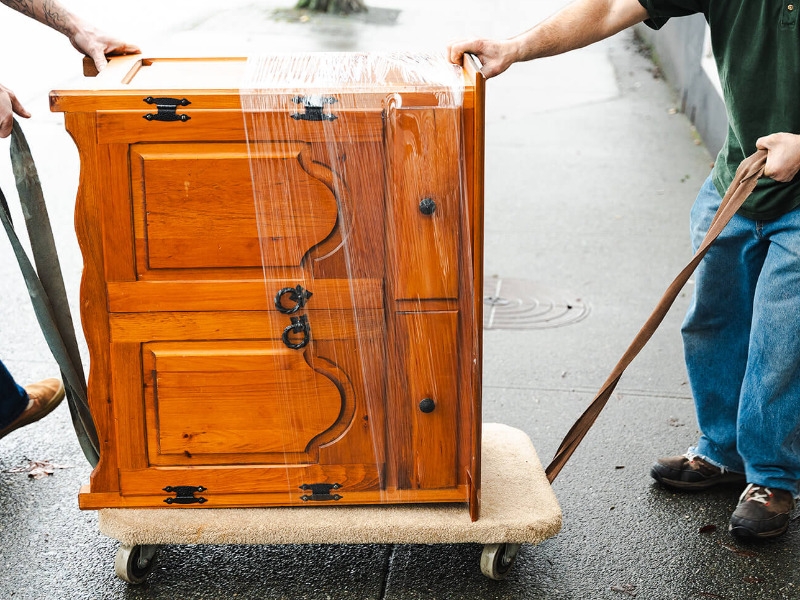
- Use stretch wrap to secure dresser drawers closed and to protect upholstered items (sofas, chairs) from dirt and snags.
- Have furniture blankets/pads ready (MoveCo Moves will provide these, but having extra on hand is always good).
Electronics & Wiring Organization
- Power Down: Unplug all devices (computers, TVs, gaming consoles) at least one hour before moving to allow them to cool down and protect internal components.
- Photograph Wiring: Take a picture of the back of your television, modem, and computer tower before you unplug anything.
- Cable Management:
- Unplug all cables and power cords.
- Coil each cord neatly and secure it with a twist tie or Velcro strap.
- Place each cord in a small, labeled Ziploc bag (e.g., "TV HDMI Cable," "Computer Power Cord").
- Pro Tip: Tape the labeled cable bags to their corresponding device to ensure everything stays together.
- Protecting Screens:
- Televisions: If you still have the original box, use it. Otherwise, use a specialized TV box. Ensure the screen is protected with foam or blankets and cannot shift.
- Computer Towers/Laptops: Back up all critical data. Never put liquids or heavy items in the same box as a computer tower.
By completing this checklist, you ensure that your belongings are not only safe for the trip to your new home but also ready for quick and easy reassembly, minimizing costly downtime for both you and the moving crew.